Quick Answer
Most plumbing leaks behind walls in Bridgewater homes can be located without demolition using a combination of infrared thermal imaging, moisture meters, and acoustic leak detection. A typical non invasive inspection runs 90 to 180 minutes, costs far less than exploratory drywall removal, and pinpoints the source within a one to two foot zone. Demolition is then targeted, not exploratory.
Signs You Have a Hidden Wall Leak
- Musty odor concentrated near one wall or floor section
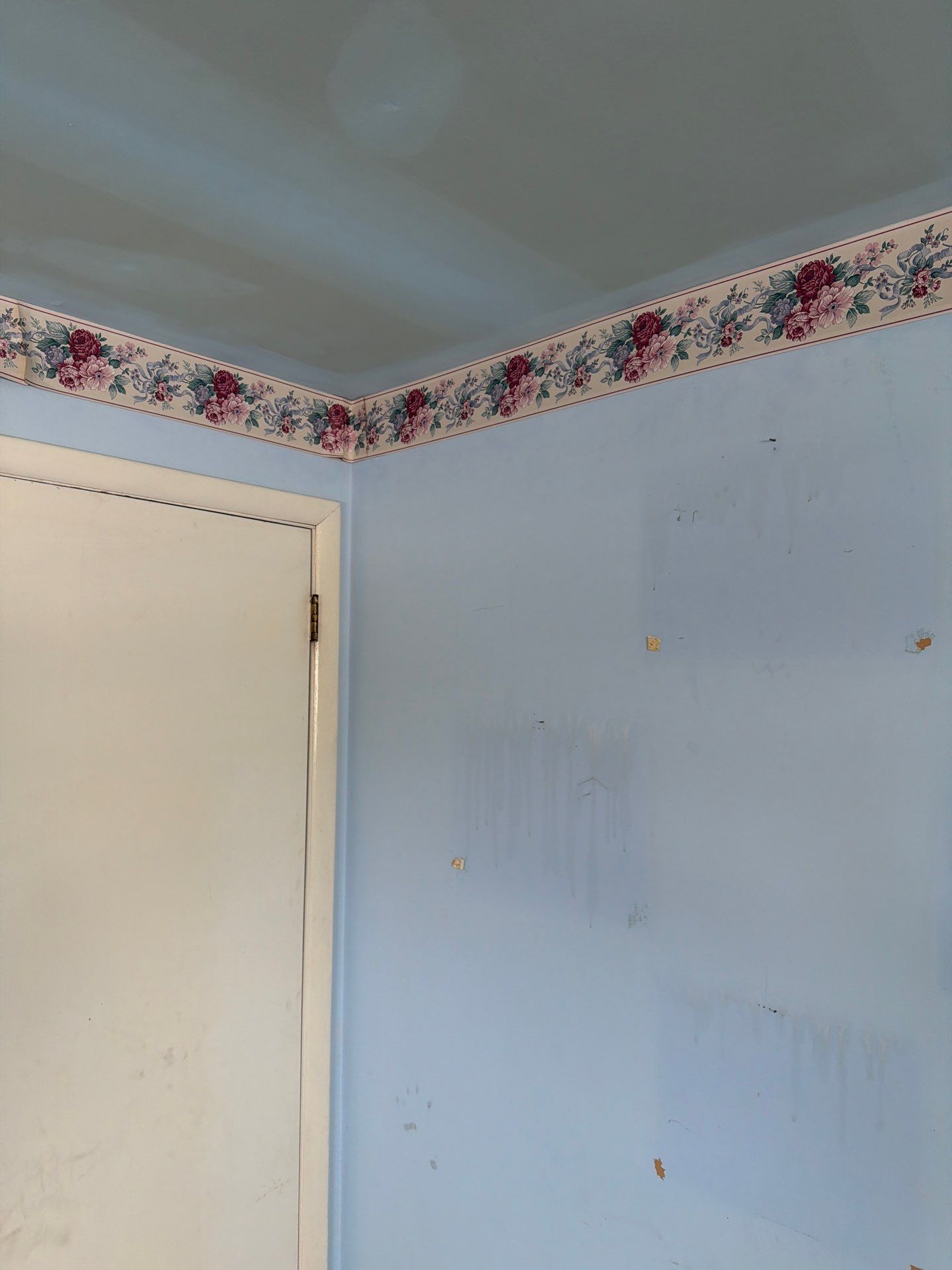
- Paint bubbling, peeling, or discoloring in a vertical streak
- Warped baseboards or trim that pulls away from the wall
- Warm or cold spots when you press a palm against drywall
- Higher water bill with no change in household usage
- Sound of running water when all fixtures are off
- Stained or soft flooring along a wall base
- Cobweb like cracks in paint or visible efflorescence on masonry walls
- Insect activity (silverfish, ants) clustering near a baseboard
If two or more of these line up, schedule a free assessment rather than waiting for visible damage. Our guide to early signs of hidden water damage covers the subtler indicators most homeowners miss.
Typical Cost Comparison
What a Bridgewater Water Restoration Inspection Looks Like
Step 1: Walkthrough and History
We ask when you first noticed the issue, what fixtures sit on the affected wall, and whether your water meter spins with everything off. This narrows the suspect list before tools come out. We also ask about recent remodels, holiday guests, or seasonal temperature swings that may have stressed a fitting.
Step 2: Thermal Imaging Sweep
Our technician scans the affected wall and adjacent rooms. Wet drywall reads cooler from evaporation, hot water lines read warmer. The camera produces a heat map, not an x ray, so findings are confirmed with a moisture meter. We typically scan from floor to ceiling in vertical passes, then revisit the same area after running a fixture to see if the pattern changes.
Step 3: Moisture Confirmation
Pinless readings on suspect areas tell us how wet, and how deep. We mark the wall with painter's tape so you can see what we see. Readings above 17 percent in drywall and above 19 percent in framing lumber are flagged for further testing.
Step 4: Acoustic or Pressure Testing
If a supply line is suspected, we isolate the line and listen with a ground microphone. Drain leaks get a fill and watch test instead. For radiant or hydronic systems, a tracer gas pass can find pinholes that water alone will not reveal.
Step 5: Borescope Verification
A 5/8 inch hole in an inconspicuous spot lets us put a camera inside and confirm the source visually before any larger opening is made. That single hole is patchable with a coin sized drywall repair, which keeps your finish work minimal.
Response Timeline
For Bridgewater homeowners with an active leak, Bridgewater Water Restoration dispatches a crew in most cases within 2 hours. Detection happens the same visit. If repair is straightforward, we coordinate with your plumber the same day, then return for drying and any finish restoration once the pipe is sound.
How to Prepare for the Inspection
- Clear furniture and wall art at least three feet from suspect walls
- Avoid running hot showers for an hour before arrival so thermal contrast is sharper
- Locate your main shutoff valve and water meter
- Photograph any visible staining with a date stamp for your insurance file
- Make a list of recent plumbing work, including DIY repairs
Where Leaks Most Often Hide
In Bridgewater homes, the highest probability locations are predictable. Knowing them helps you describe the problem clearly when you call.
- Behind shower valves and tub spout stub outs (worn rubber washers, loose escutcheons)
- Under second floor bathrooms where supply lines drop through the floor plate
- At kitchen sink wall penetrations where the drain enters the stack
- Inside wet walls shared by back to back bathrooms
- Around hose bib stems on exterior walls, especially after a freeze
- At ice maker line couplings inside refrigerator adjacent walls
When Demolition Is Still Necessary
- Active mold growth covering more than 10 square feet
- Saturated insulation that cannot dry in place
- Cast iron or galvanized pipe replacement
- Category 3 water from a drain or sewage line
- Structural framing that has lost integrity from prolonged saturation
If your situation involves contaminated water, our sewage cleanup team follows S500 Category 3 protocols. Mold concerns route to our remediation process for containment and air scrubbing. Even when demolition is required, the detection step still pays off by limiting the cut to a single bay rather than several feet of wall.
Non-Invasive Detection Methods Compared
| Method | What It Detects | Best Use Case | Limitations |
|---|---|---|---|
| Infrared thermal imaging | Temperature differences from evaporative cooling or hot water lines | Mapping the extent of wet area behind drywall | Needs temperature contrast; cannot see through tile or thick stone |
| Pinless moisture meter | Moisture up to 3/4 inch deep in drywall and wood | Confirming wet zones identified by thermal scan | Surface materials can skew readings |
| Acoustic leak detector | Pressurized water escaping a pipe | Active supply line leaks under pressure | Less useful for slow drain leaks |
| Tracer gas (hydrogen blend) | Microscopic escape points in supply or hydronic lines | Pinhole leaks that other tools missed | Requires isolating the pipe section |
| Borescope camera | Direct visual confirmation | Verifying source through a 5/8 inch access hole | Single small opening required |