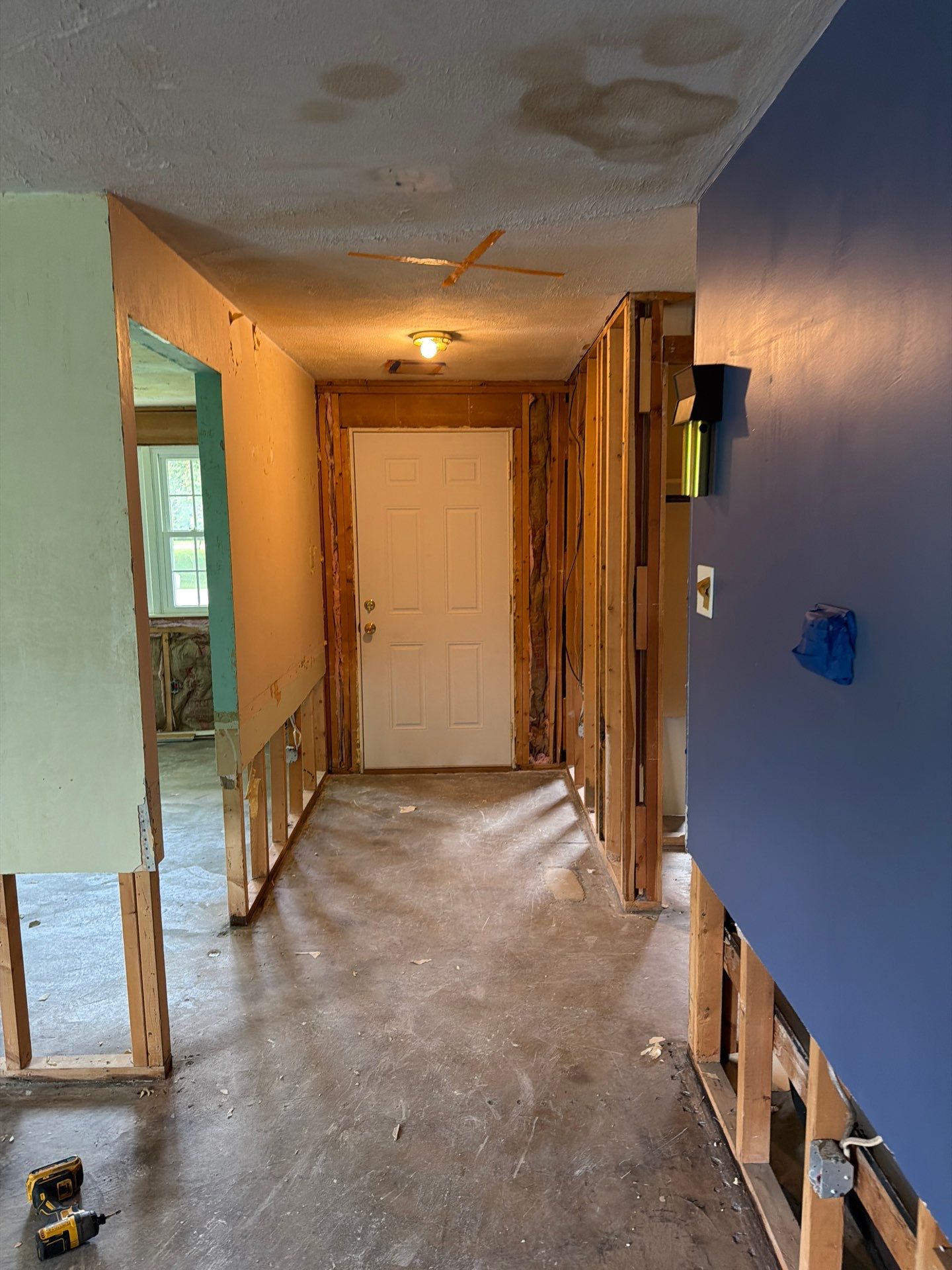
Why Bathroom Leaks Behave Differently Than Other Water Damage
Bathrooms concentrate three things in a small footprint: pressurized supply lines, gravity drains, and porous finish materials sitting on a wood subfloor. When a kitchen sink leaks, the cabinet usually catches it. When a bathroom leaks, the water has nowhere to go but down into the floor system or sideways into the wall behind the tile. That structural reality is why bathroom losses generate disproportionate repair costs relative to the volume of water released.
The other factor is contamination. A shower head dripping for a week is clean water that has degraded into Category 2 grey water because it has been sitting on organic material. A toilet leak depends entirely on which side of the bowl failed. Supply line failures release potable water. Anything from the trap or flange downstream is Category 3 black water under IICRC S500 standards, which requires removal of porous materials rather than drying in place. That single distinction can swing your claim by several thousand dollars, which is why our technicians category-test every bathroom loss before equipment goes down.
There is also a ventilation problem unique to bathrooms. Most Bridgewater homes were built with a single bath fan rated for 50 to 80 CFM, which is barely adequate for daily shower humidity, let alone an active leak event. When water saturates the wall cavity behind a shower surround, that trapped moisture has no escape path because the tile and backer board form a vapor barrier facing inward. We routinely pull moisture readings of 35 to 60 percent in framing members behind showers that look completely dry on the surface. Without forced drying with injection systems and desiccant dehumidifiers, that moisture simply migrates into adjacent rooms over the following weeks.
Below is the comparison we walk Bridgewater homeowners through on the phone before we ever arrive on site. It is built from actual job patterns, not marketing estimates.
Toilet Leaks vs Shower Leaks: The Full Comparison
| Factor | Toilet Leak (Supply, Wax Ring, or Flange) | Shower Leak (Pan, Grout, or Valve) |
|---|---|---|
| Typical First Sign | Water pooling at base, spongy floor near toilet, ceiling stain directly below | Loose tile, dark grout lines, musty odor, peeling paint on adjacent wall |
| IICRC Water Category | Cat 1 (supply line) or Cat 3 (wax ring, flange, overflow) | Cat 1 initially, becomes Cat 2 within 48 to 72 hours |
| Average Daily Water Volume | 50 to 400 gallons if supply line ruptures, 1 to 5 gallons for wax ring seepage | 0.25 to 2 gallons per shower use, cumulative over weeks |
| Time to Detection | Minutes for supply burst, 2 to 8 weeks for wax ring | 3 to 12 months, often discovered during remodel |
| Subfloor Damage Likelihood | High, especially with wax ring failures concentrated at flange | Very high, shower pan leaks rot subfloor outward in a 2 to 4 foot radius |
| Mold Risk Window | 24 to 48 hours for Cat 3 events | Mold typically present before discovery |
| Typical Drying Timeline | 3 to 5 days with proper extraction and dehumidification | 5 to 8 days, longer if pan and substrate must come out |
| Demolition Required | Vinyl or laminate flooring, lower drywall, sometimes subfloor patch | Tile, backer board, shower pan, framing in severe cases |
| Average Restoration Cost in Bridgewater | $1,800 to $6,500 | $3,500 to $12,000 |
| Insurance Coverage | Usually covered if sudden, denied if seepage over time | Often denied as long-term seepage, supply valve failures covered |
| Plumber Needed First? | Yes, isolate and repair before mitigation | Sometimes, depends on whether active leak continues |
What the Comparison Actually Means for Your Claim
The cost gap between these two scenarios is not random. Shower leaks cost more on average because they are almost always discovered late, and insurance carriers in Indiana frequently deny long-term seepage claims under standard HO-3 policies. If you have a slow shower pan leak, the carrier will often pay for the resulting mold remediation and structural repair only if you can demonstrate the leak was sudden and accidental. We document moisture mapping, photograph substrate conditions, and write our scope using the same language adjusters use, which gives you a stronger position when the claim is reviewed. For deeper background on this, our breakdown of hidden leaks behind walls covers the moisture meter readings and thermal imaging we use to prove timeline.
Toilet leaks have a different problem. The supply side is usually a clean win for insurance, but anything involving the wax ring or flange becomes a contamination question. Even a small wax ring failure can saturate the subfloor with Category 3 water, and IICRC protocol requires removal of affected porous materials rather than drying them in place. We treat these the same way we approach a full toilet overflow cleanup, with antimicrobial application, controlled demolition, and post-remediation verification before anything gets rebuilt.
The final variable is what sits under the bathroom. A first-floor bath over a finished basement creates a two-room loss. A second-floor bath over a kitchen can mean ceiling collapse risk within hours if drywall is holding water weight. When you call Bridgewater Water Restoration, we ask about the floor below before we ask about the leak itself, because that answer determines whether we dispatch a standard mitigation crew or a full water damage restoration response with structural shoring.
What to Do Before We Arrive
If you can safely reach the supply valve behind the toilet or the main shutoff for the house, close it. For shower leaks where the water is contained inside the wall, shutting the bathroom supply at the manifold is better than the main if you have a PEX system. Pull towels and rugs off the wet floor so they do not wick water further into baseboards and door jambs. Do not run the bath fan on a Category 3 event, because it pulls contaminated aerosols into the duct system and spreads the contamination upstairs or into the attic. Take photos of every surface before anything moves, including the base of the toilet, the grout lines, and any ceiling staining on the floor below. Those images become the evidentiary backbone of your claim, and adjusters in Bridgewater consistently reference pre-mitigation photography when approving scope above the initial estimate.