Commercial Flood Damage Cleanup in Bridgewater, IN
Commercial flood cleanup in Bridgewater with high volume pumping, truck mounted extraction and drying measured every day.
Commercial Flood Damage Cleanup in Bridgewater, IN starts with one call to Bridgewater Water Restoration: live 24/7 dispatch, IICRC certified response, and honest written scopes before work begins. Call (317) 342-7736.
- Service: Commercial Flood Damage Cleanup for Bridgewater homeowners
- Service area: Bridgewater, IN and surrounding areas
- Response time: Same day emergency response for Bridgewater; 24/7 availability
- Licensed and insured (License #RC21100059)
- Serving Bridgewater, IN since 2018
Commercial Flood Damage Cleanup for Bridgewater Businesses
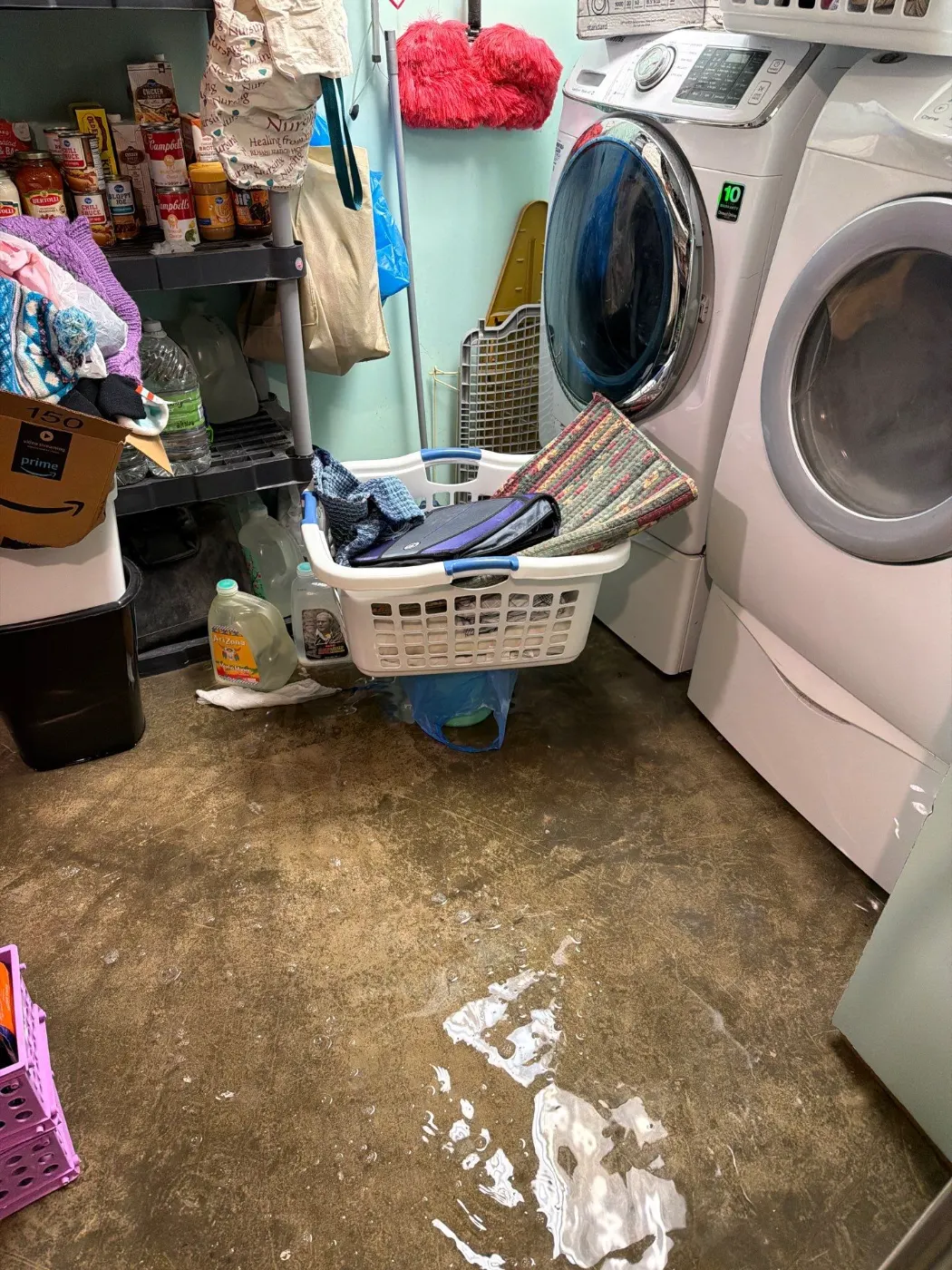
When a creek leaves its banks and reaches your parking lot, the water enters at the lowest door it can find. The waterline on the walls shows how high it rose, and the silt on the floor shows what it carried in. Bridgewater Water Restoration pumps out commercial buildings in Bridgewater first, then measures everything that waterline touched.
Electrical clearance goes in writing on every flooded area of the building. Bridgewater Water Restoration records which panels and outlets were confirmed off, and whether your electrician or the utility gave that confirmation. Pumps and dehumidifiers run on temporary power from outside the wet area, so the Bridgewater file shows what was live and when.
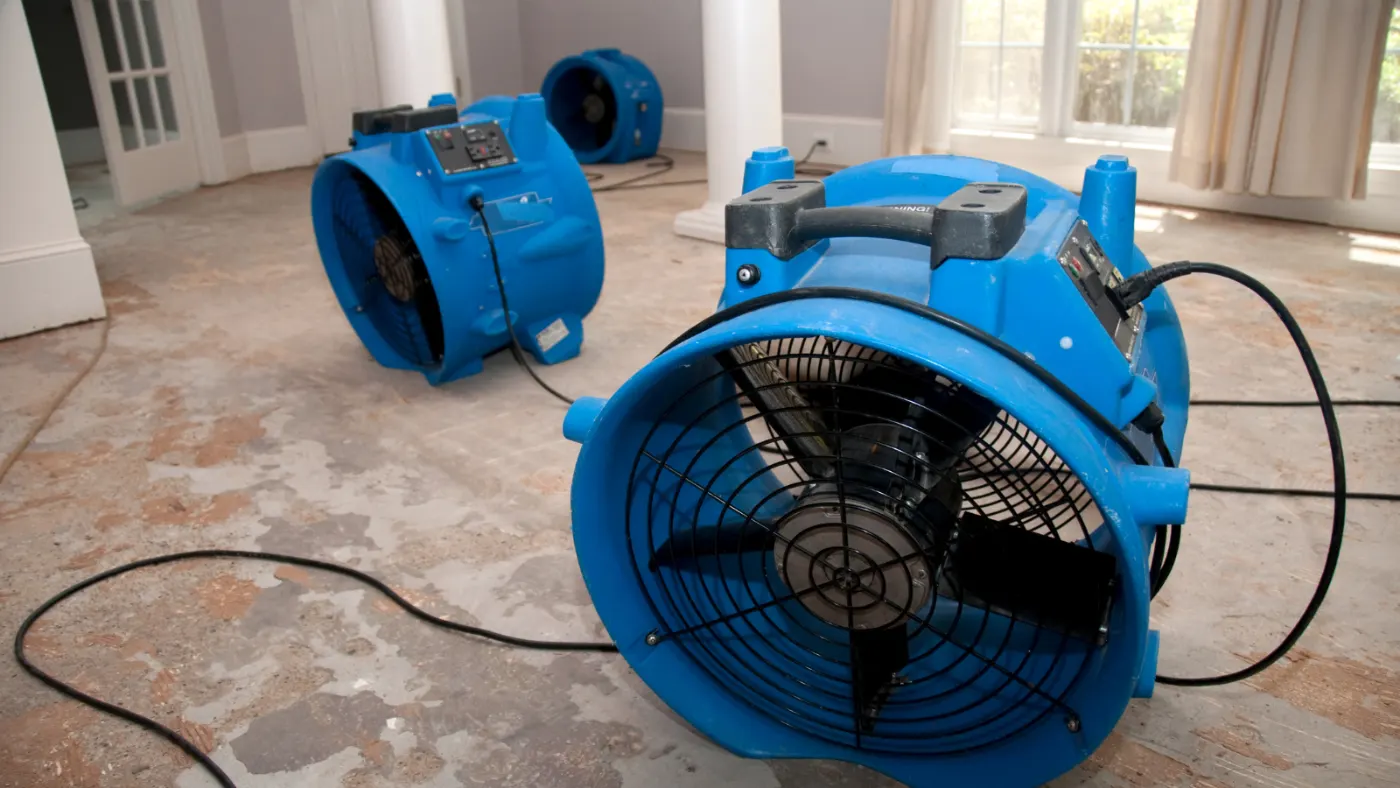
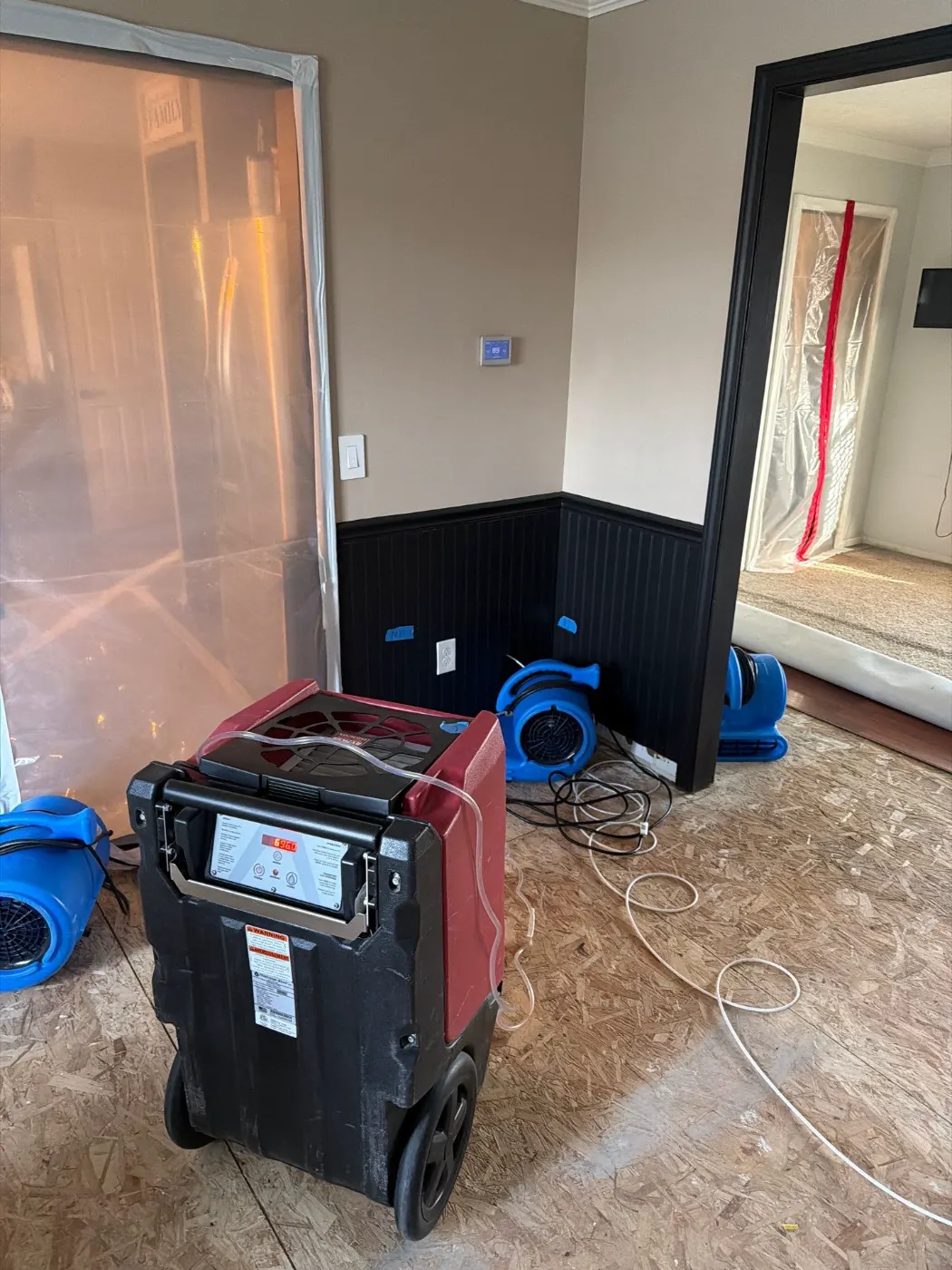
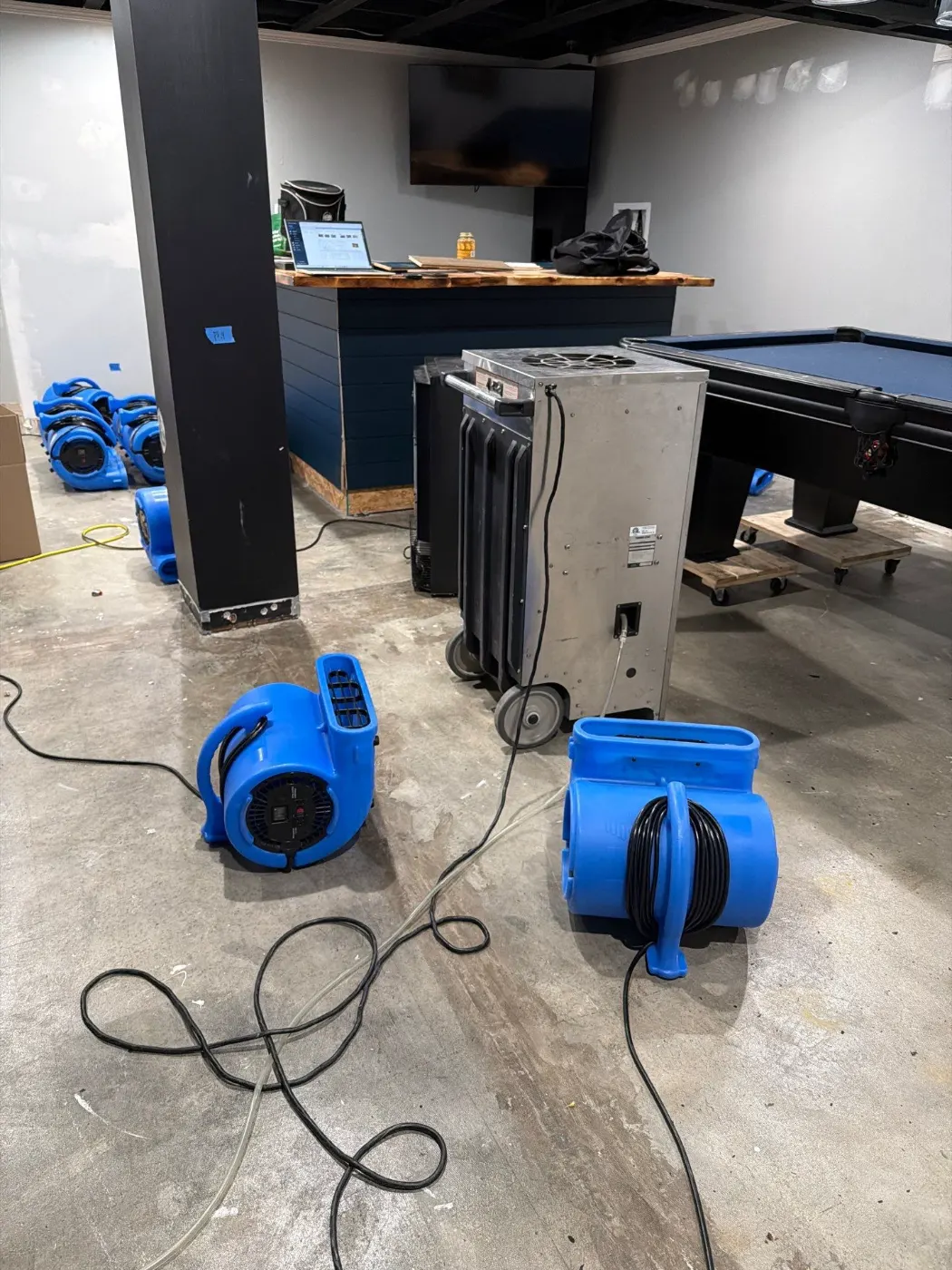
Electrical safety gets settled before any equipment gets plugged in. The crew confirms that panels, outlets, disconnects, and machinery in or near the water have been deenergized by your electrician or the utility, then runs power for pumps and dehumidifiers from a source that's clear of the wet area, with generators where the building's power can't be used. Cords get routed off the floor and out of walkways so the space stays workable.
The documentation volume on a commercial loss surprises people. Hundreds of photographs, a reading set per affected area per day, equipment logs, disposal manifests, and a contents inventory add up into a file that takes office time to assemble correctly. Bridgewater Water Restoration treats that as part of the job, so the file is complete when you need it.
If a below grade level or a loading dock is holding water, portable equipment won't move it fast enough to matter. Bridgewater Water Restoration dispatches commercial pumping capacity to Bridgewater, IN, within two hours, then puts desiccant capacity on the masonry and concrete that hold moisture longest. Call and describe the depth and the access, and the crew loads out for your building.
Signs You Need Commercial Flood Damage Cleanup
If you notice any of these in your Bridgewater building, schedule a free inspection before the issue worsens.
Water standing in the elevator pit, or a sump or pit alarm that keeps calling in overnight
Carpet tile squares curling at the edges or lifting at the corners across an open office area
Repeated tenant or staff complaints of a damp smell in one suite while the rest of the floor is fine
Retail storefront taking water under the front doors during a heavy rain
A dark tide line on drywall or wall base running along a corridor at a consistent height
Water tracking in from under a loading dock door, leaving a silt line across the slab
Floodwater that reached electrical panels or outlets on the ground floor
Condensation forming on interior metal doors and glass partitions that stayed clear before the loss
Carpet squishing underfoot in an entry lobby after a heavy rain
Part of the building without power after water reached the lower level
How Bridgewater Water Restoration Handles Commercial Flood Damage Cleanup
We follow these steps in order on every Bridgewater job.
Content Pack Out
Fixtures, records, equipment and stock come off the wet slab and get listed by item and condition. Anything needing controlled conditions goes to climate controlled storage under a numbered list, so what left the building is documented before it moves anywhere.
Mud and Silt Removal
Mud goes into containers first, starting at the far end of the building and working toward the exit. Wet vacuums and a rinse pass follow, and floor drains get flushed and checked so water can drain freely.
Disposal Records
Every load that leaves the building gets a log entry with the date and the type of material. The disposal receipt and a photo of the load go in the same file, so the removal record matches what was hauled away.
Phased Section Release
Areas that reach dry standard get released back to use while the crew keeps working sections that still hold moisture. Each release carries the readings for that zone, which lets the property come back in pieces as the building and your own occupancy requirements allow.
Final Readings and Walkthrough
Equipment is pulled in stages as each material meets the dry standard on consecutive visits. The crew lead then walks the building with you, and the final readings by location go into the file.
Commercial Flood Damage Cleanup in Bridgewater
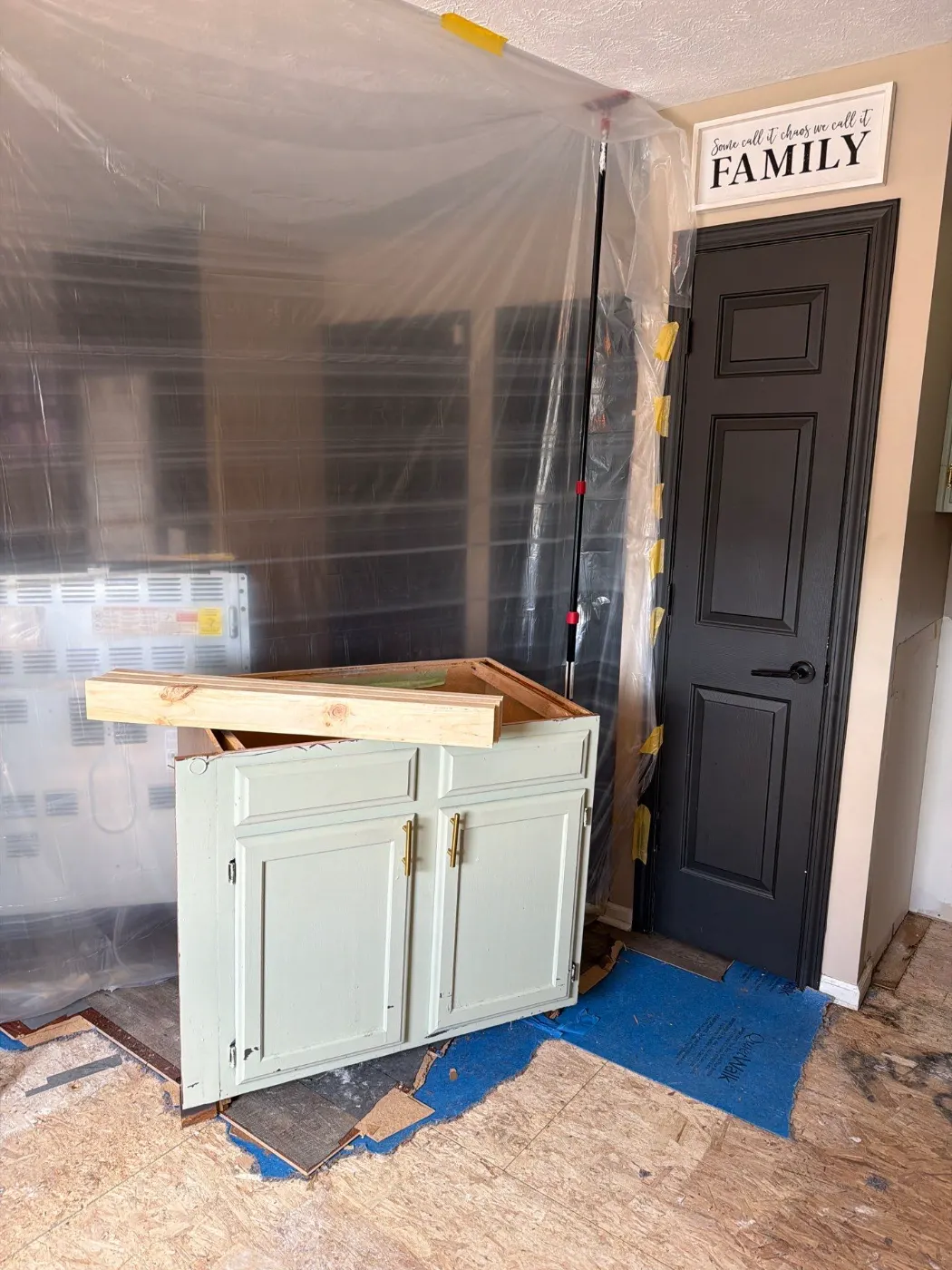
Photographs from real commercial flood damage cleanup jobs completed by our crew in Bridgewater and surrounding areas.
Commercial Flood Damage Cleanup FAQ
Questions Bridgewater property managers ask us about commercial flood damage cleanup.
Guidance and Standards for Commercial Flood Damage Cleanup
- The ANSI/IICRC S500 is the published standard for professional water damage restoration. The current edition is the Fifth Edition, 2021. IICRC S500 Standard
- EPA advises drying water damaged areas and items within 24 to 48 hours to prevent mold growth. EPA: A Brief Guide to Mold, Moisture and Your Home
Other Restoration Services in Bridgewater
Bridgewater Water Restoration handles the full scope of restoration work. Explore our other services below.
Water Damage Restoration in Bridgewater
24/7 emergency response. IICRC certified water restoration from extraction to full dry out.
Learn more →Basement Flooding in Bridgewater
Basement water emergencies handled fast. Extraction, drying, mold prevention.
Learn more →Sewage Cleanup in Bridgewater
Category 3 biohazard cleanup. Full containment, decontamination, structural restoration.
Learn more →Request Commercial Flood Damage Cleanup
Reach Us Directly
Our team is available 24/7 for emergencies and ready to schedule inspections during business hours.
Need Immediate Help?
For active water or mold emergencies, call us directly. We are available 24/7.