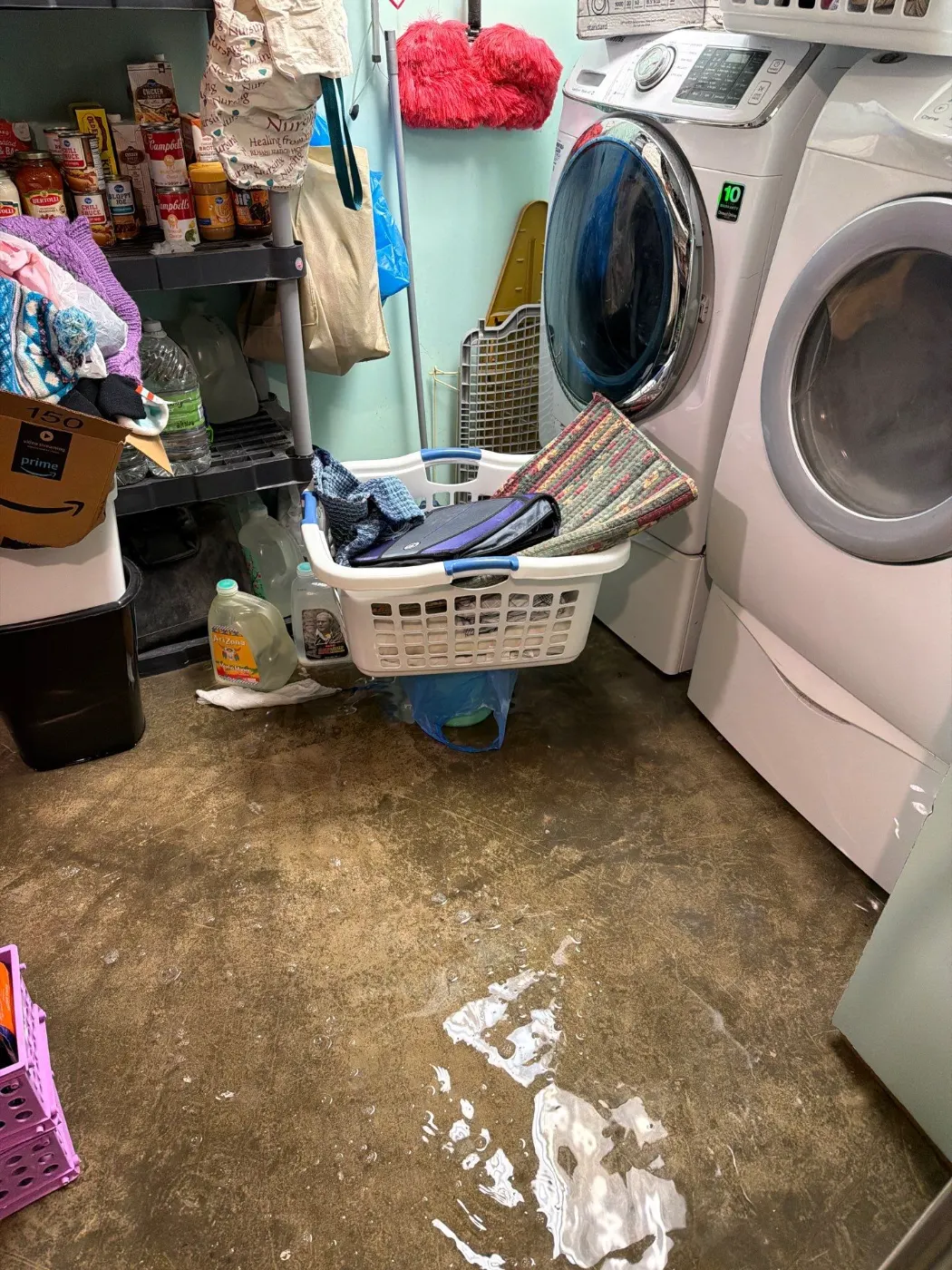
Commercial Storm Damage in Bridgewater, IN
Commercial storm water intrusion in Bridgewater stopped at the roof and dried to documented readings, with two hour dispatch.
Bridgewater Water Restoration is the Bridgewater call for Commercial Storm Damage: emergency crews around the clock, moisture readings instead of guesswork, and insurance files built properly. Call (317) 342-7736.
- Service: Commercial Storm Damage for Bridgewater homeowners
- Service area: Bridgewater, IN and surrounding areas
- Response time: Fast local response for Bridgewater; live dispatch every hour of the year
- Licensed and insured (License #RC21100059)
- Serving Bridgewater, IN since 2018
Commercial Storm Damage for Bridgewater Businesses
Ceiling tiles sag, then one lets go, and the water that was sitting in the plenum lands on a tenant's workstations. By then the batt insulation above the grid has been wet long enough to matter. Bridgewater Water Restoration takes commercial water intrusion calls in Bridgewater with a two hour dispatch, pulls the saturated tile and insulation, and gets air moving in the plenum before the gypsum above it starts to fail.
An occupied building can keep running through a storm loss when the containment is built at the right line. Bridgewater Water Restoration sets barriers at a demountable partition or a corridor wall, so one wet bay doesn't close a whole floor in your Bridgewater building. Negative air with HEPA filtration runs where materials are coming out, and egress paths stay clear.
Along the glass line of your Bridgewater building, the crew checks the fan coil cabinets and floor boxes first, because water collects where they sit. The vinyl base is lifted at intervals so a meter can read the wall behind it, and the slab edge is probed. Readings run along the whole glass line, since the water often travels farther than the visible stain.
Water that rose from outside, such as runoff reaching a loading dock, and water that backed up through a drain are often treated differently from rain that came through the building. Flood and drain backup coverage commonly sit outside the main commercial property form. Bridgewater Water Restoration records how the water entered your Bridgewater property, because that decides which coverage question applies.
If water's coming into your Bridgewater building right now, call Bridgewater Water Restoration. A crew dispatches within two hours, day or night, to commercial properties across Bridgewater, IN. The dry in goes over the breach, extraction starts underneath it, and the readings that support your claim start the same visit.
Signs You Need Commercial Storm Damage Restoration
If you notice any of these in your Bridgewater building, schedule a free inspection before the issue worsens.
The smell of damp cardboard in a stockroom that gets stronger after each heavy rain
Corrosion on a fire sprinkler line or head where the pipe runs close to the roof deck
Stored records or fixtures with wet edges or water stains along the bottom
Raised access floor panels that feel damp, with water showing beneath them in a telecom room
Floor boxes near the glass line with corrosion or standing water inside
Interior glazing sealant that's cracked, pulled loose, or missing along a run of joints
A roof drain or scupper running slow, gurgling, or ringed with debris and sediment
Damp, darkened flooring in a band just inside the main entrance after a windy rain
Tenants moving stock or equipment away from a wall because water keeps showing up there
Water lines on the lower walls of a dock office or receiving area
How Bridgewater Water Restoration Handles Commercial Storm Damage
We follow these steps in order on every Bridgewater job.
First Call Intake
On the call, the team gathers where the water is entering, which areas are occupied, who holds keys and alarm codes, and who can authorize work, so the crew shows up at your Bridgewater property with the right equipment and the access it needs.
Contents and Inventory Protection
Stock and equipment on wet floors get lifted onto blocking or moved to dry ground, with plastic over anything that has to stay. A photo list records what moved and where, which supports each tenant's own claim.
Water Category Call
Rain that started clean can worsen in category as it sits, so the crew classifies the water as it entered and again as it has aged. That call sets which materials get cleaned in place and which come out.
Daily Readings Logged
Each day brings temperature, relative humidity and material moisture readings logged against an unaffected baseline elsewhere in the building. Equipment moves based on what the numbers show. The property manager gets the readings and the photos the same day.
Midpoint Scope Review
Partway through the job, the crew compares the readings with the projected equipment period and tells the property manager if the schedule or the scope has moved. Added removal is photographed and explained before the work starts.
Commercial Storm Damage in Bridgewater
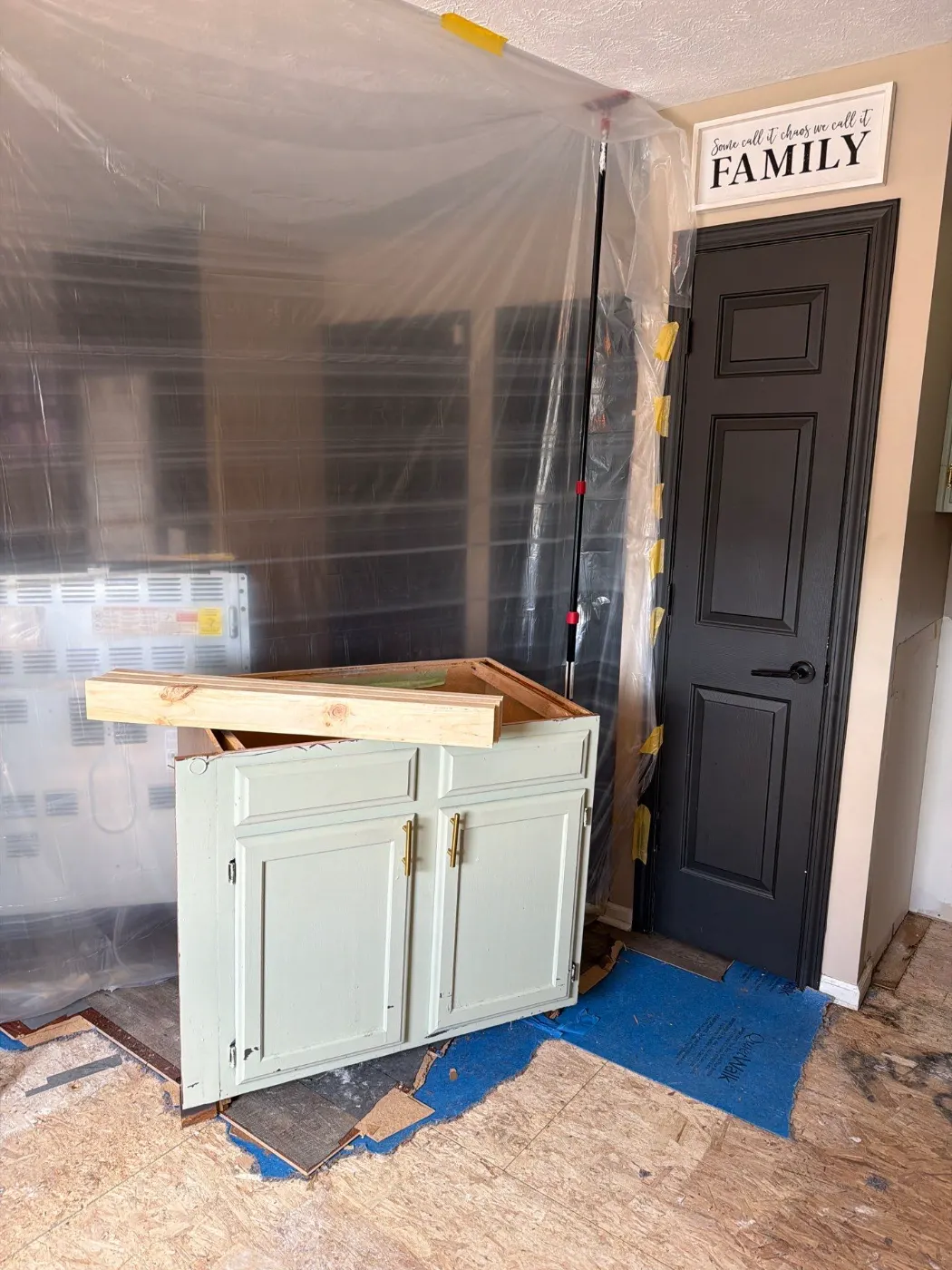
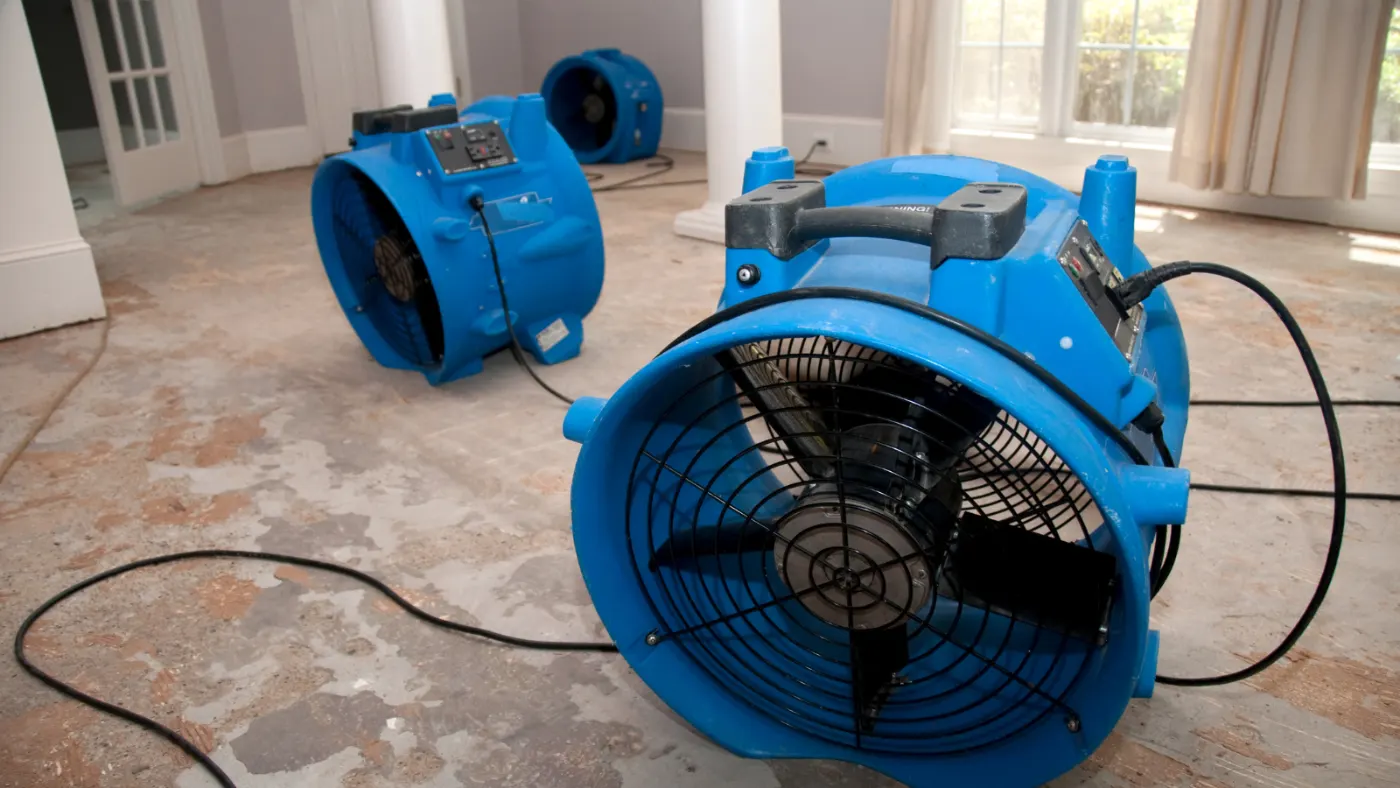
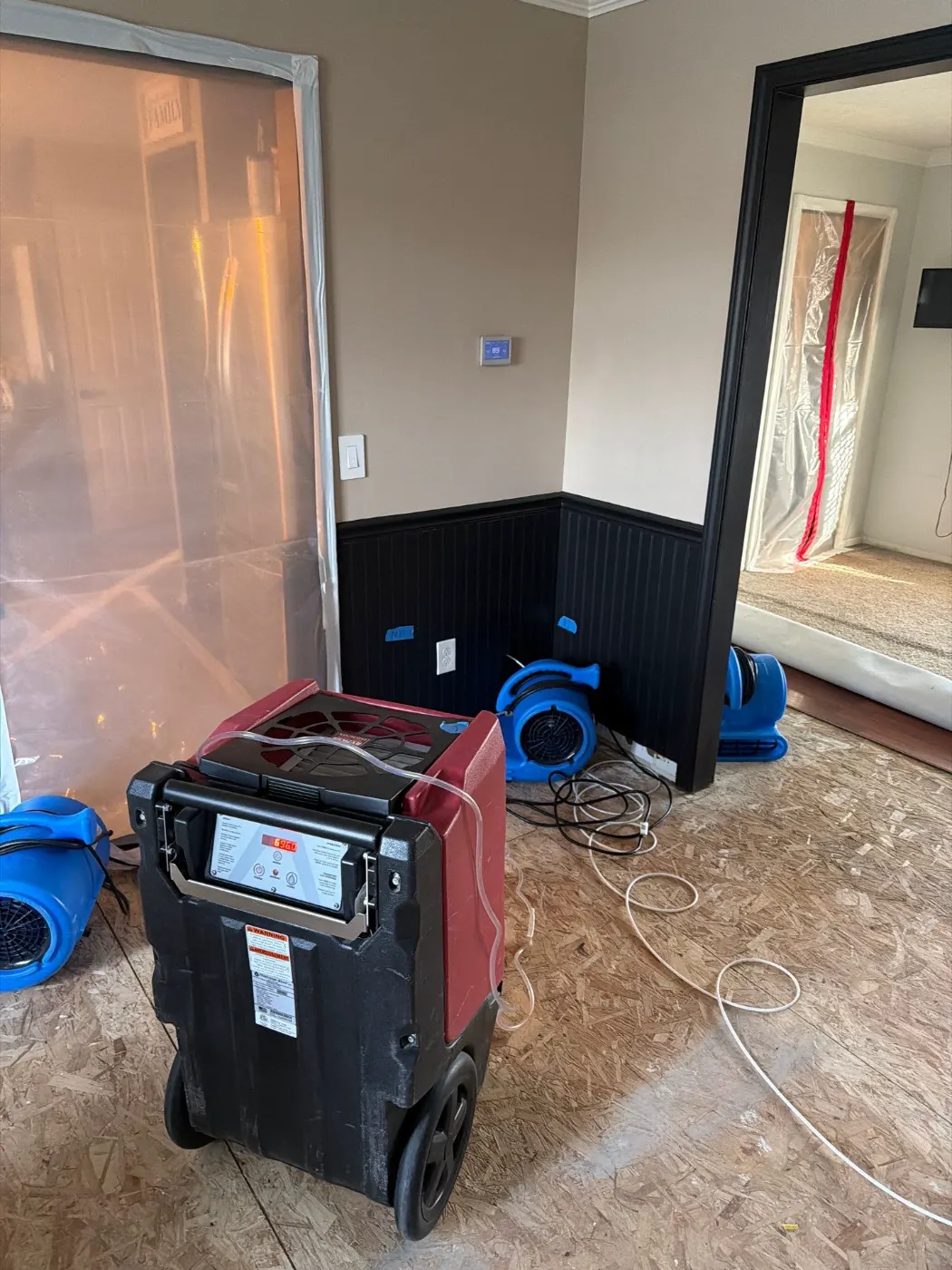
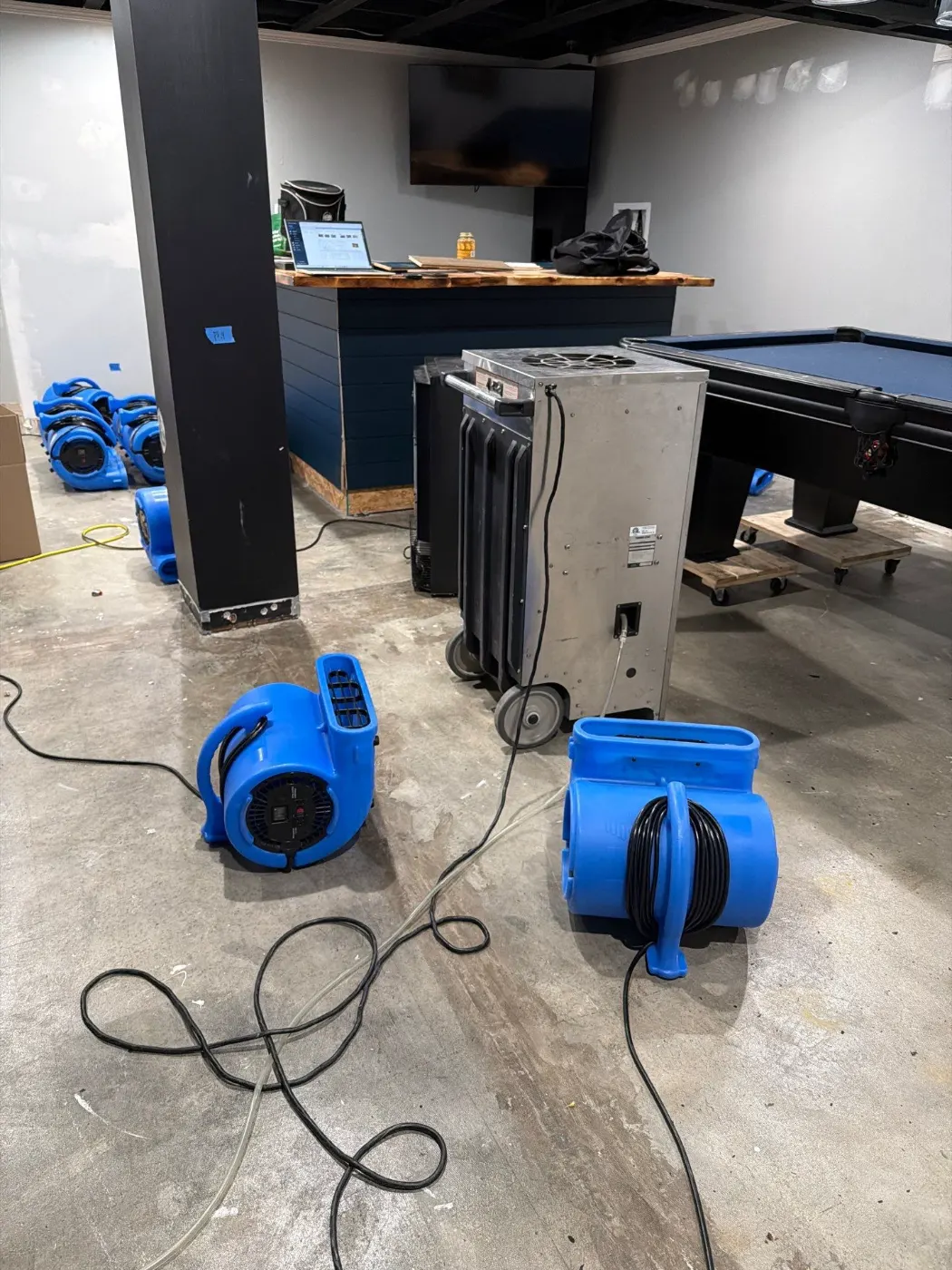
Photographs from real commercial storm damage jobs completed by our crew in Bridgewater and surrounding areas.
Commercial Storm Damage FAQ
Questions Bridgewater property managers ask us about commercial storm damage restoration.
Guidance and Standards for Commercial Storm Damage
- The National Weather Service office in Indianapolis posts summaries of recent central Indiana storm and flood events. NWS Indianapolis Event Summaries
- The ANSI/IICRC S500 is the published standard for professional water damage restoration. The current edition is the Fifth Edition, 2021. IICRC S500 Standard
Other Restoration Services in Bridgewater
Bridgewater Water Restoration handles the full scope of restoration work. Explore our other services below.
Water Damage Restoration in Bridgewater
24/7 emergency response. IICRC certified water restoration from extraction to full dry out.
Learn more →Basement Flooding in Bridgewater
Basement water emergencies handled fast. Extraction, drying, mold prevention.
Learn more →Sewage Cleanup in Bridgewater
Category 3 biohazard cleanup. Full containment, decontamination, structural restoration.
Learn more →Request Commercial Storm Damage Restoration
Reach Us Directly
Our team is available 24/7 for emergencies and ready to schedule inspections during business hours.
Need Immediate Help?
For active water or mold emergencies, call us directly. We are available 24/7.