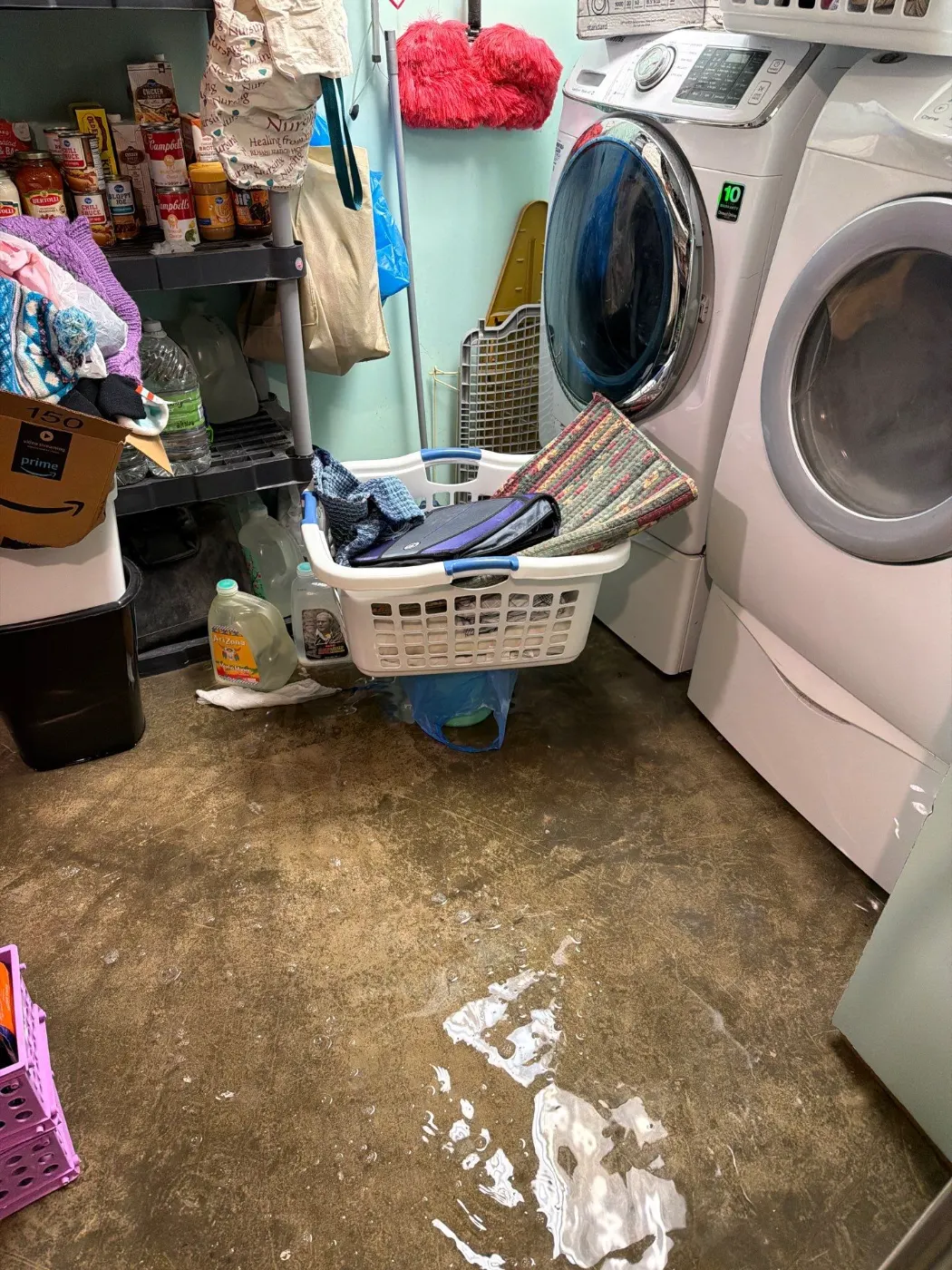
Storm Damage in Bridgewater, IN
Wet insulation out and the cavity dried before the ceiling goes back. Storm water restoration for Bridgewater homes
Bridgewater Water Restoration provides Storm Damage in Bridgewater, IN. 24/7 emergency response with IICRC certified crews, and we work with your insurance carrier on approved claims. Call (317) 342-7736 for immediate dispatch.
- Service: Storm Damage for Bridgewater homeowners
- Service area: Bridgewater, IN and surrounding areas
- Response time: Emergency water calls in Bridgewater get crews rolling, not callbacks
- Licensed and insured (License #RC21100059)
- Serving Bridgewater, IN since 2018
Expert Storm Damage for Bridgewater Homeowners
Water that gets in upstairs rarely stays there, because it follows the framing down an interior wall and shows up as a damp baseboard in the room below. Bridgewater Water Restoration traces the path floor by floor on storm calls in Bridgewater, so the drying covers the wall cavity and the finished rooms on either side of it.
The surface of a hardwood floor can feel dry long before the subfloor beneath it does. Bridgewater Water Restoration reads the board and the subfloor, then tracks the floor for cupping and gaps as the days pass. In your Bridgewater home, those readings decide whether the floor dries in place or has to come up.
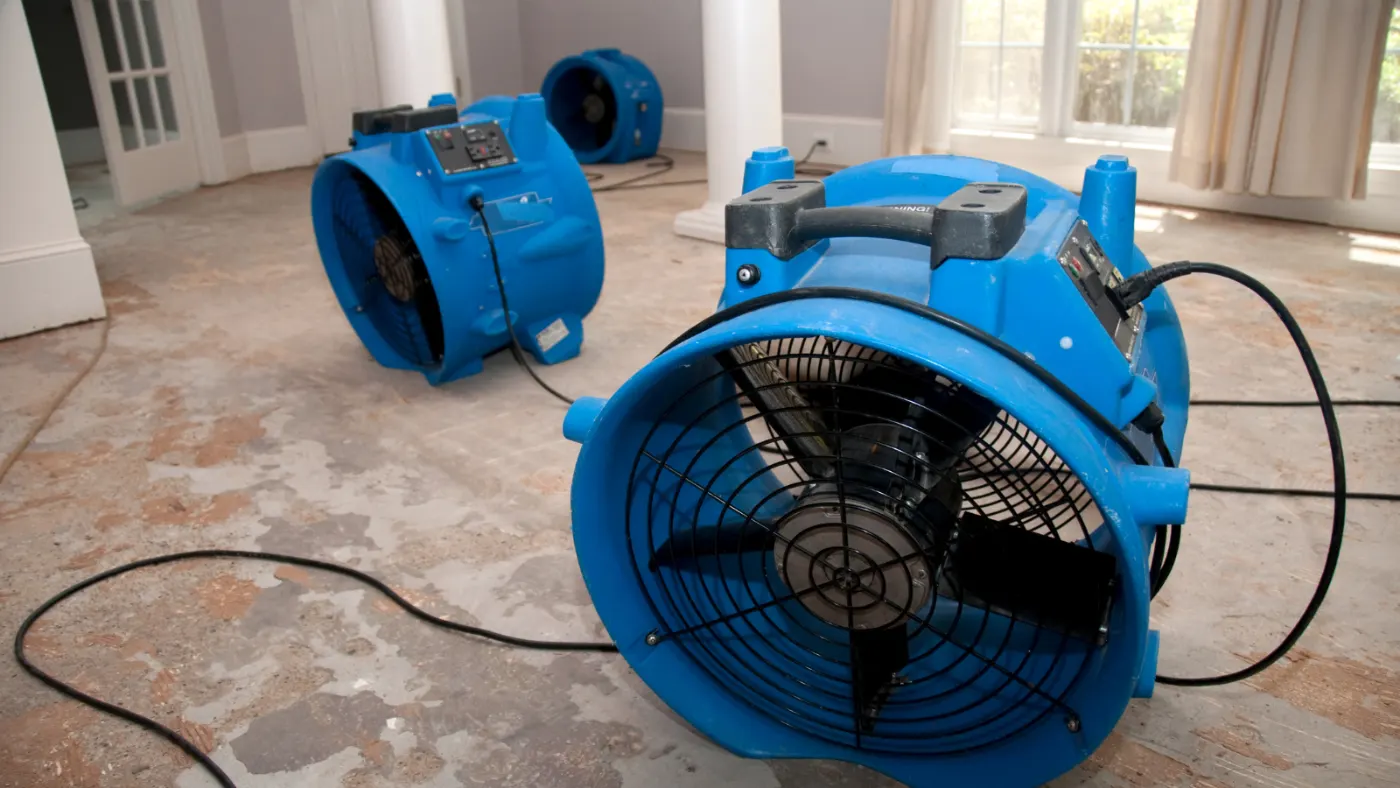
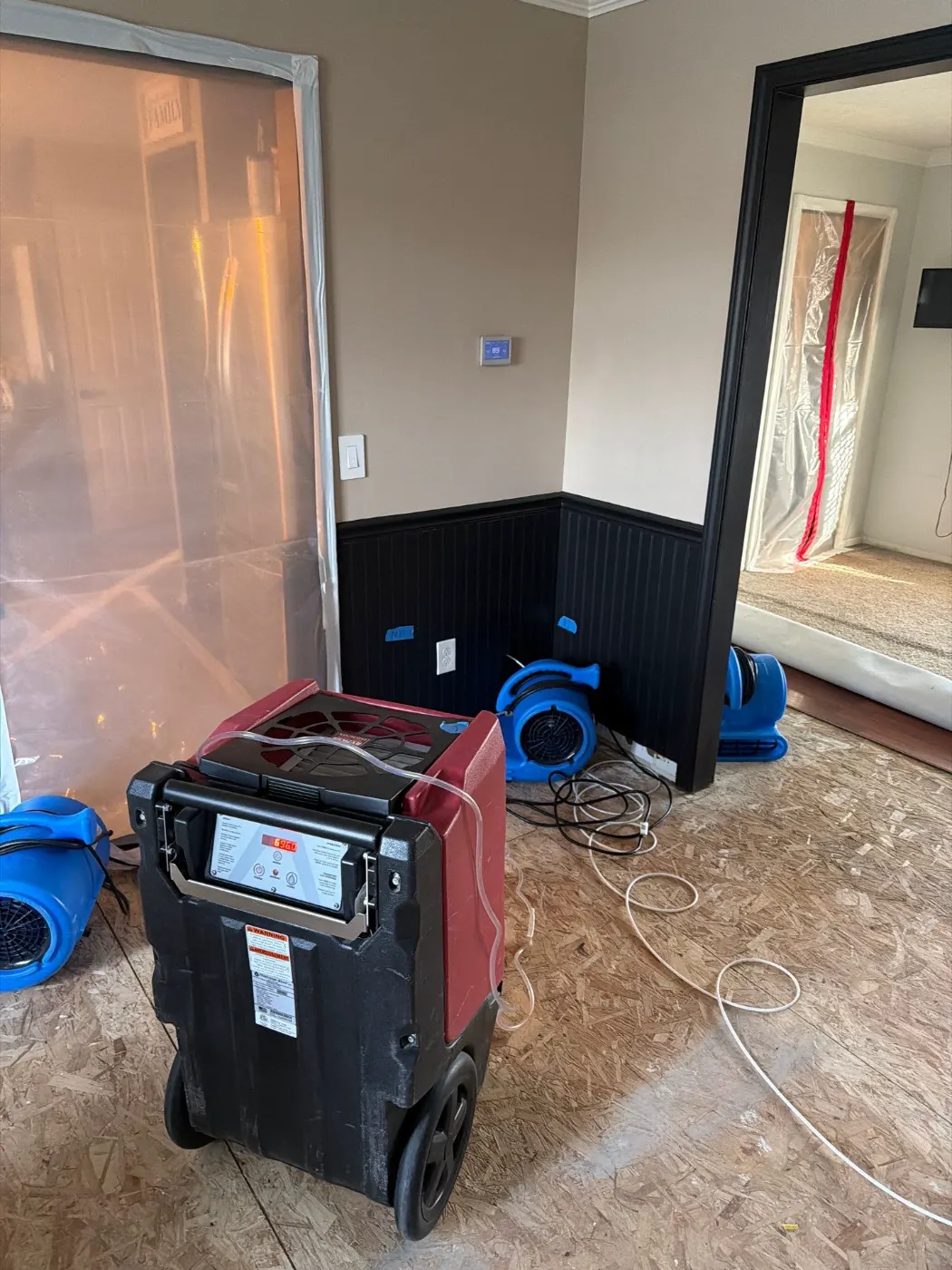
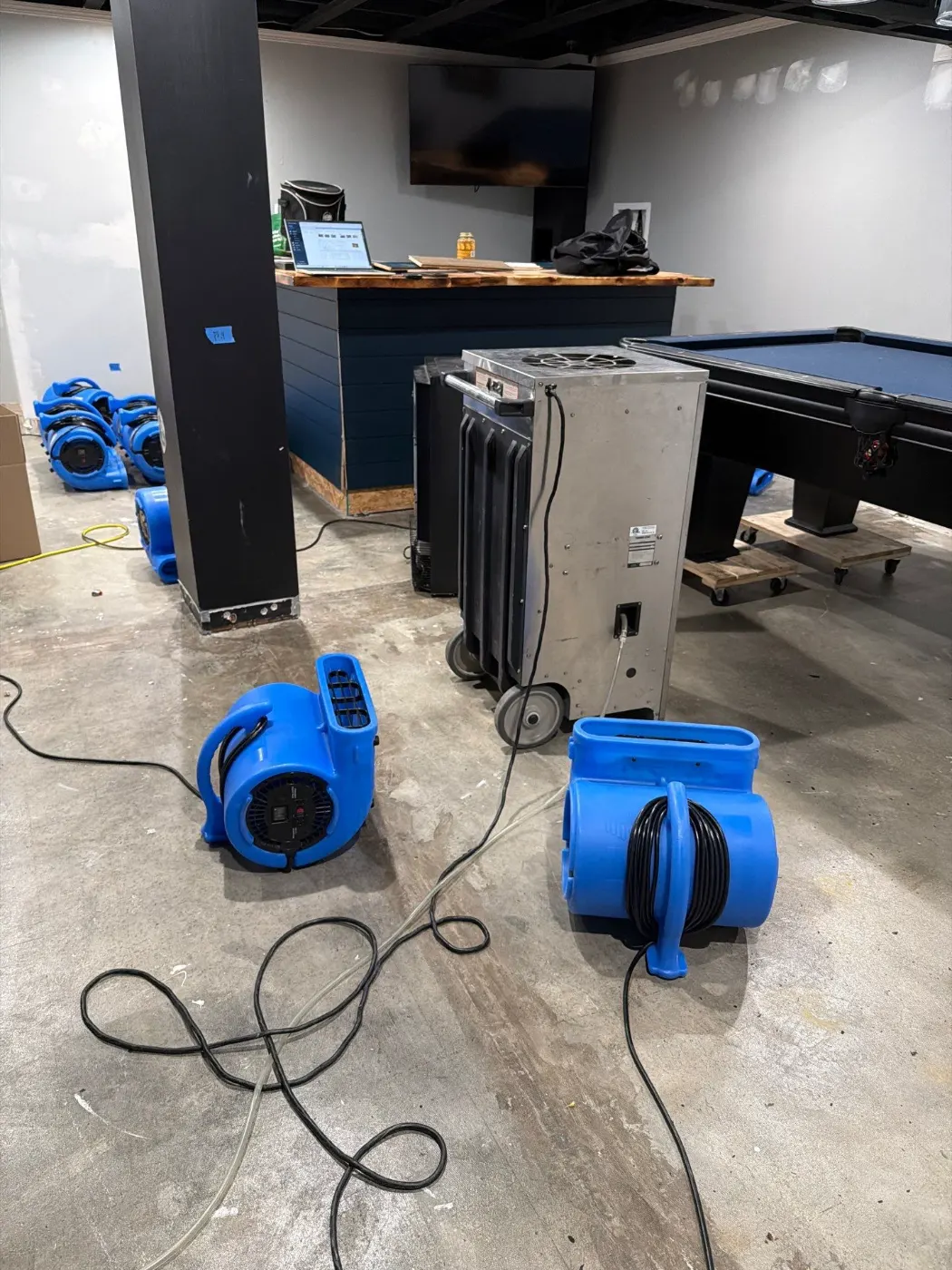
Equipment gets sized from the space, the affected square footage and how much wet material the rooms hold. Water from overhead that soaked ceilings, walls, insulation and carpet takes more dehumidification than a wet floor does. Air movers get aimed at wet surfaces, and the dehumidifiers get sized to the space inside containment, so there's capacity for everything the materials give off in your Bridgewater home.
Standard homeowners policies typically exclude flooding from rising surface water, which is usually covered under separate flood insurance such as an NFIP policy. If water came in at ground level, photograph the yard and the street as well as the interior. Bridgewater Water Restoration records the waterline inside your Bridgewater home, and your insurance company decides how the loss is classified.
You don't have to guess how far the water went. Bridgewater Water Restoration will map it with thermal imaging and moisture meters, show you the readings, and walk you through what they show. Crews dispatch to Bridgewater, IN at any hour, and you keep the written readings.
Signs You Need Storm Damage Restoration
If you notice any of these in your Bridgewater home, schedule a free inspection before the issue worsens.
Interior door frames swollen so the door rubs or won't latch
Moisture beading on outlet covers or switch plates along a wall that water ran down
Silt left on the garage floor or mudroom tile after runoff pushed in
Carpet near an exterior door that squishes underfoot after wind driven rain
Dark water line on basement drywall several inches above the floor
Basement floor drain gurgling or bubbling during a heavy downpour
Clothes or boxes against an outside wall that feel damp after wind driven rain
A wet cardboard smell in a basement that was fine before the storm
A soft or discolored patch of drywall around a skylight, a chimney chase, or a bath vent
Water staining on the wall below a window after rain came in sideways
How Bridgewater Water Restoration Handles Storm Damage
We follow these steps in order on every Bridgewater job.
Storm Call Intake
The first call covers where you see water, whether the power is on, how long it's been coming in and what's already been moved. Those answers decide what gear goes out and what to do before the crew gets there.
Emergency Stabilization
Tarp, shrink wrap or board up goes over the opening the storm made, photographed before and after. Stopping the ongoing intrusion is what lets the drying numbers hold. Details of the opening get passed to whoever's handling the permanent roof or siding repair.
Moisture Mapping
Thermal imaging and penetrating meters cover every room under and beside the intrusion, plus baseline readings in unaffected areas of the same house. The map shows how far water tracked through framing and insulation, and it's what decides which surfaces get opened.
Photo Report
Entry point photos, the water path, the daily readings and the itemized scope go into a photo report you keep. The crew walks you through it, and you sign off on the scope in writing before there's any demolition.
Reconstruction and Finish Work
Insulation goes back to the recorded depth, ceiling board gets hung, taped and finished, texture is matched to the existing surface, then paint, trim, flooring and anything else that came out. The rebuild follows the measurements taken during the drying.
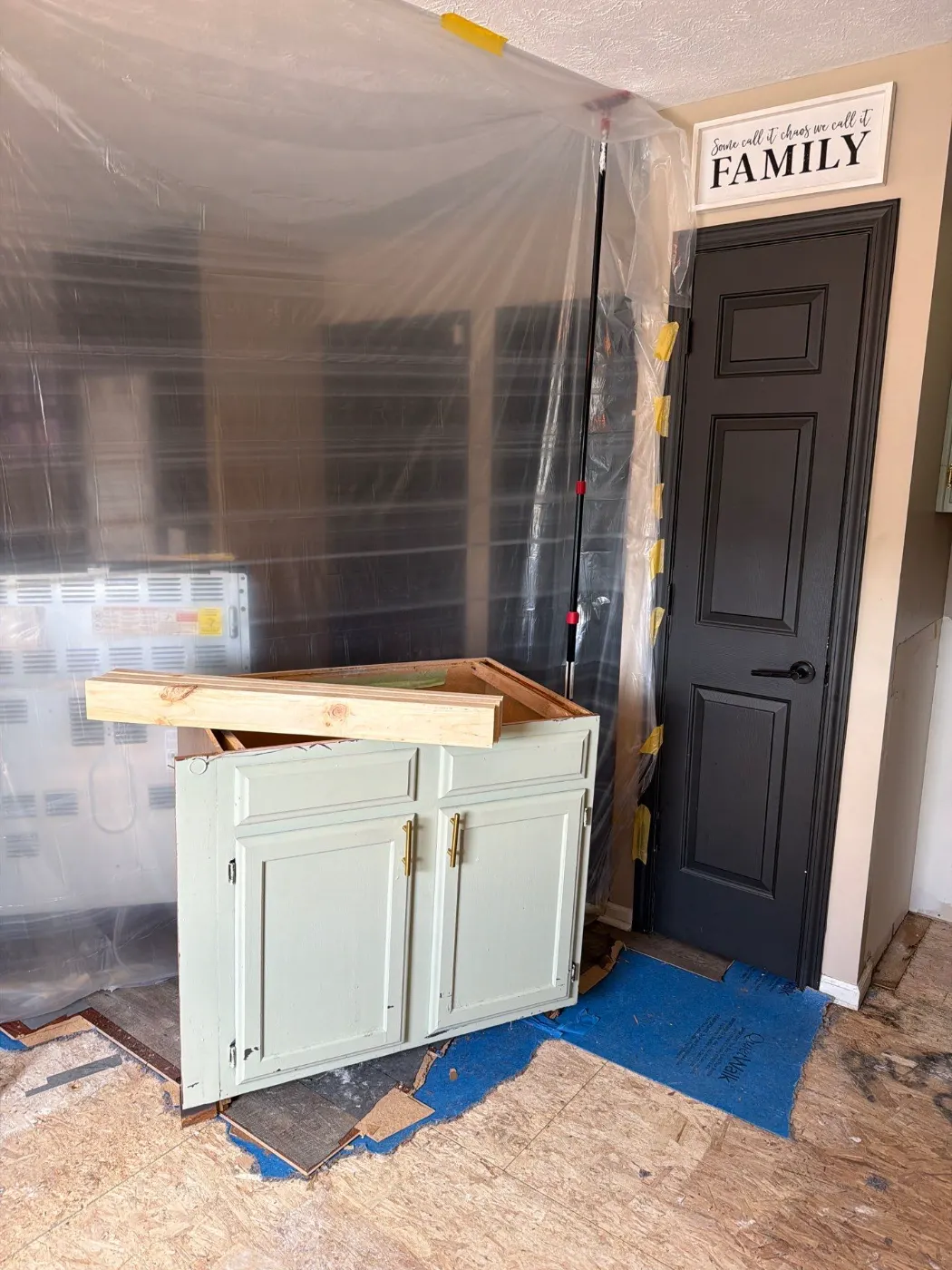
Storm Damage in Bridgewater
Photographs from real storm damage jobs completed by our crew in Bridgewater and surrounding areas.
Storm Damage FAQ
Questions Bridgewater homeowners ask us about storm damage restoration.
Guidance and Standards for Storm Damage
- The National Weather Service office in Indianapolis posts summaries of recent central Indiana storm and flood events. NWS Indianapolis Event Summaries
- The Indiana Department of Insurance advises against permanent repairs before your insurance company inspects the damage. Check your own policy for what it covers. Indiana Department of Insurance: Insurance Claim Tips
Other Restoration Services in Bridgewater
Bridgewater Water Restoration handles the full scope of restoration work. Explore our other services below.
Water Damage Restoration in Bridgewater
24/7 emergency response. IICRC certified water restoration from extraction to full dry out.
Learn more →Basement Flooding in Bridgewater
Basement water emergencies handled fast. Extraction, drying, mold prevention.
Learn more →Sewage Cleanup in Bridgewater
Category 3 biohazard cleanup. Full containment, decontamination, structural restoration.
Learn more →Request Storm Damage Restoration
Reach Us Directly
Our team is available 24/7 for emergencies and ready to schedule inspections during business hours.
Need Immediate Help?
For active water or mold emergencies, call us directly. We are available 24/7.